Dear Parents and Carers,

We are pleased to inform you that the measures taken to raise the temperature inside the school have been successful, and the building is now at a suitable and comfortable temperature for effective learning.

As a result, school will be open as normal for all pupils tomorrow.

Full school uniform is expected, and students may wear base layers under their school uniform for additional warmth if they wish.

Please also refer back to the start-of-term letter for details on uniform expectations and the changes to school entrances in the mornings.

We would like to thank you for your patience and understanding while we worked to resolve these issues. Your support has been greatly appreciated.

We look forward to welcoming all students back tomorrow.

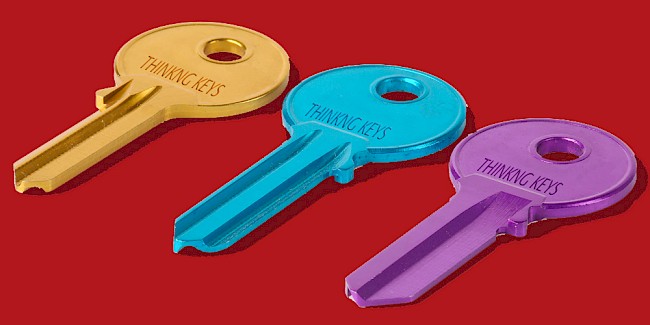
Thinking Keys

We use the first version of Tony Ryan’s Thinking Keys to stimulate different types of Thinking. The Keys help ‘unlock’ critical and creative thinking. Some of the Keys are quite linear and some are creative, which enables them to be carefully selected and work well with different ages groups and across all curriculum areas.

The Twenty Thinking Keys


Key NameBrief Explanation
The Alphabet

Great for building up subject specific vocabulary. Students identify words that begin with each letter

The Reverse

Students are asked to consider or design questions which ask what ‘cannot’ or ‘would never’ be

The What If

Students asked to consider or design questions that prompt what if thinking

The Disadvantages

Students consider the potential limitations

The Combination

Seeking to combine the features of two ideas or concepts to design a better idea

The Alphabet

Students asked what they might make Bigger, Add or Replace in an idea or design

The Variations

Students seek alternative methods to meet an end point- how many ways might you…?

The Picture

Students provided with a picture and asked to link it to a topic

The Prediction

Think of possible outcomes to a set of given circumstances

The Different Uses

Imaginative and creative uses for an object – perceptual rather than conceptual thinking

The Ridiculous

Seeking to justify a statement that could be classed as difficult to implement

The Commonality

Two unrelated objects, pictures or concepts and students are asked to find a commonality

The Question

Identifying answers and asking students to identify possible questions that lead to the answers provided

The Brainstorming

Contemplating solutions to problems

The Inventions

Devise an invention from the use of unrelated materials

The Brick Wall

Identify different ways to deal withideas or concepts that are valued as ‘truths’

The Construction

Using everyday materials physically construct useful objects related to the topic or ‘construct’ key meaning from pieces of knowledge

The Forced Relationships

Identifying the benefits from a forced relationship between two objects or ideas

The Alternative

Looking for alternative ways to solve a problem

The Interpretations

Identify different interpretations of your own of an event i.e. look for different perspectives